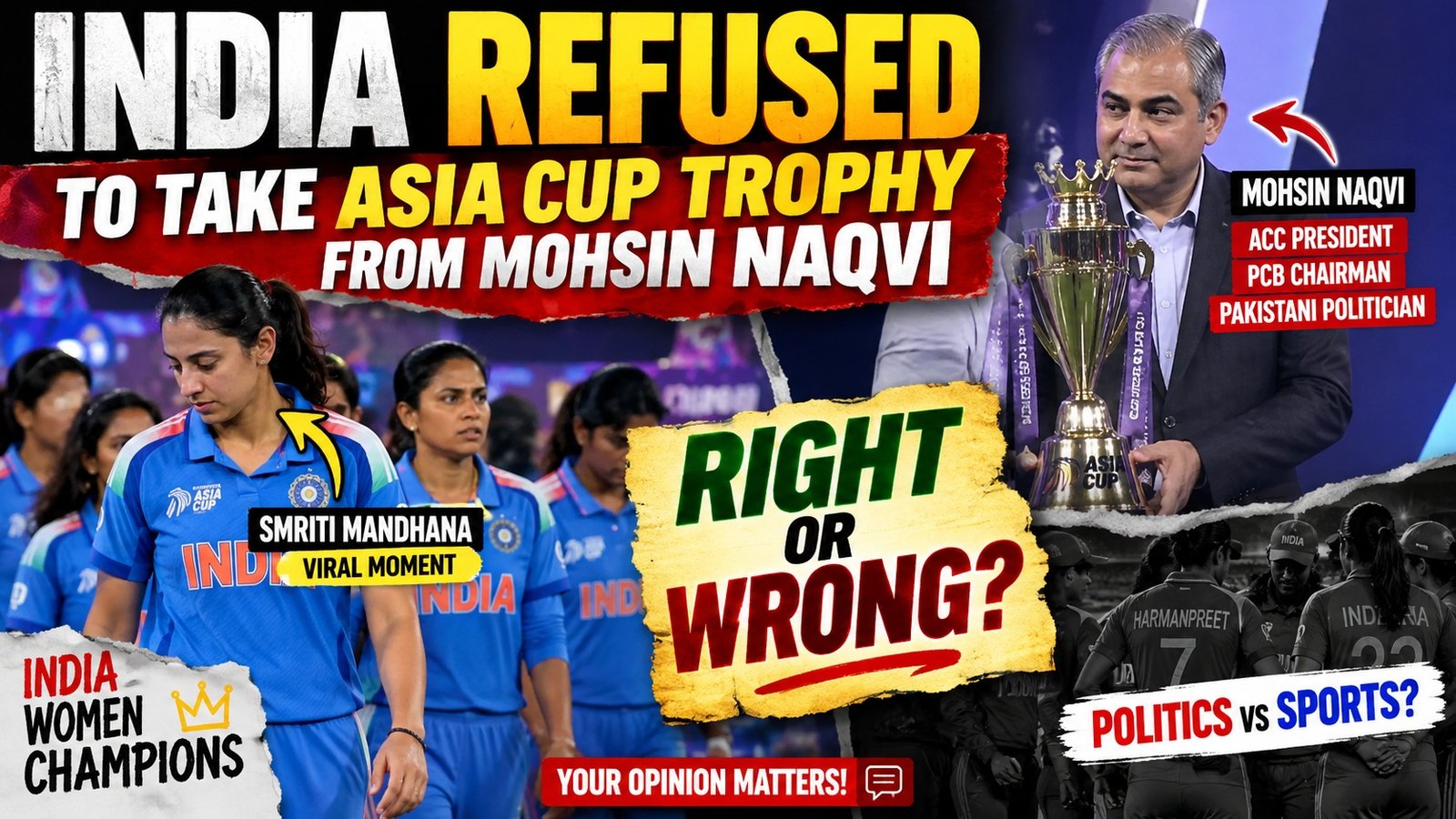
India REFUSED To Take Women’s Asia Cup Trophy From Mohsin Naqvi | Smriti Mandhana Viral Moment
Cast your vote and see others' opinions 👇
Results Hidden
Cast your vote first to reveal live results
Matchup Breakdown & Story
In-depth overview & decision guide
The India REFUSED To Take Women’s Asia Cup Trophy From Mohsin Naqvi moment has become one of the biggest talking points after India’s women’s team won the 2026 Women’s Asia Cup. India defeated Sri Lanka by 72 runs to become champions, but the trophy presentation took an unusual turn when the Indian team did not accept the trophy directly from Mohsin Naqvi. This has created a simple but powerful debate for cricket fans: Was India RIGHT or WRONG?
The key point is that this was not a sudden reaction by one player. The BCCI had already communicated its position before the final, and after the victory, head coach Amol Muzumdar said the team stood behind the decision. So the discussion should not be reduced to whether Smriti Mandhana personally refused a trophy. The bigger issue is whether the Indian team was right to follow the BCCI's decision during the official presentation.
What Happened After India Won?
India completed a dominant 72-run victory over Sri Lanka and secured the Women’s Asia Cup title. Normally, the winning captain and players would come forward, receive the trophy from the designated official and celebrate with the silverware. This time, that traditional moment did not happen in the usual way. Mohsin Naqvi was present for the presentation, but the Indian team did not take the trophy from him.
The decision immediately attracted attention because Naqvi is not only connected with Asian cricket administration but is also the chairman of the Pakistan Cricket Board and a senior Pakistani political figure. In the current India-Pakistan environment, even a formal cricket ceremony can carry a much bigger meaning. That is why the incident quickly moved beyond cricket and became a major public debate.
Why India Was RIGHT
Those supporting India say the team made the RIGHT decision because the position was already known before the final. The BCCI did not suddenly change the rules after India won. The team entered the final knowing that it would not accept the trophy from Naqvi if he remained the presenter.
Another important argument is that the trophy represents the achievement of the players. India earned the title by performing on the field and defeating Sri Lanka. The presenter does not determine who becomes champion. From this perspective, refusing a particular presentation does not take away from the sporting achievement.
Supporters also point to consistency. A similar position had previously been taken by the Indian men's team in an Asia Cup ceremony involving Naqvi. Following the same position with the women's team means the BCCI did not create a different standard for the two teams.
Why Some Believe India Was WRONG
Critics see the situation differently. Their argument is that sport should remain separate from politics. Naqvi was present in his cricket-administration role, and accepting a trophy from an official does not necessarily mean supporting that person's political views.
There is also a question of sporting tradition. A trophy presentation is supposed to be a celebration of the competition and the players' achievement. Critics believe India could have accepted the trophy, completed the ceremony professionally and maintained its political position separately. In their view, refusing the presentation allowed a sporting victory to become part of a political controversy.
RIGHT vs WRONG — The Real Debate
| Debate Point | RIGHT Argument | WRONG Argument |
|---|---|---|
| BCCI Decision | Decision was communicated before the final | Created controversy during the ceremony |
| Political Situation | Maintained India’s established position | Politics became part of a sporting event |
| Team Conduct | Players followed the official team decision | Traditional presentation protocol was not completed |
| Trophy | India had already earned it by winning the final | The players missed the traditional trophy-lifting moment |
Analyst Verdict: The available information indicates that this was a deliberate BCCI-led decision rather than an individual act by Smriti Mandhana. Whether you call it RIGHT or WRONG depends on what you believe should come first in international sport: a national and institutional position, or traditional sporting protocol.
What About Smriti Mandhana?
Smriti Mandhana became a major part of the viral discussion because footage surrounding the presentation drew attention to her movements and reaction. However, it is important not to turn the entire incident into a personal decision by Mandhana. The broader position came from the BCCI, and the team's head coach publicly supported it.
Another important clarification is that Harmanpreet Kaur was the Indian women's team captain. Smriti Mandhana was one of India's most prominent players, but she was not the captain. Therefore, responsibility for the official team decision should be discussed in the context of the BCCI and team management rather than placing everything on one player.
Why This Moment Became Viral
The reason this moment has generated such a strong reaction is simple: cricket fans are used to seeing the winning captain lift the trophy immediately after a final. When that expected scene disappears, viewers naturally want to know why. The India-Pakistan context makes the moment even more powerful because fans on both sides interpret sporting gestures through a much wider lens.
For supporters, the message is clear: India won the Asia Cup on the field and did not compromise its stated position for a ceremonial moment. For critics, the message is equally clear: the ceremony should have remained about cricket, regardless of political differences.
Final Verdict: RIGHT or WRONG?
If you believe national and institutional positions should take priority in a sensitive situation, then India's decision was RIGHT. The BCCI had already made its position clear, the team followed it, and India's championship was secured through its performance on the field.
If you believe international sporting ceremonies should remain completely separate from politics, then the decision was WRONG. From that perspective, the team should have accepted the trophy from the designated cricket official and celebrated the achievement without allowing political tensions to enter the ceremony.
Either way, the controversy does not change the main sporting fact: India won the Women’s Asia Cup. The players earned the title through their performance, and the trophy presentation is now a separate debate about principle, protocol and national sentiment.
So what do you think? Did India do the RIGHT thing by refusing to take the Women’s Asia Cup trophy from Mohsin Naqvi, or was it WRONG to bring this issue into a cricket ceremony? Choose your side and explain why.
Discussions & Reviews
15
100% RIGHT decision. Jab BCCI ne pehle hi stance clear kar diya tha, then team ne wahi follow kiya. Trophy India ne ground par jeeti hai.
I understand the political context, but I still think sports should stay separate from politics. Trophy presentation should ideally be neutral.
@Guest_43718 fair point, but Naqvi is not only an ACC official. He is also PCB chairman and a senior Pakistani political figure. Context matters here.
Bhai RIGHT hai. BCCI ne already inform kar diya tha ki Naqvi se trophy nahi lenge. Ye sudden drama nahi tha.
I would call it a political decision, but not necessarily a wrong one. The team followed a clearly communicated institutional position.
Smriti ko personally blame karna wrong hai. Reports clearly say the stand was taken by BCCI and coach also backed it.
RIGHT for me. India played the tournament, won the final by 72 runs and became champions. Trophy presentation doesn't define the victory.
Whatever side you take, one thing is clear: this was not a fake viral story. The refusal and BCCI stance have been reported by multiple outlets.
Frequently Asked Questions
Q: Who is currently winning this poll?
A: Currently, Wrong Decision is leading with the most votes.
Q: Is live voting currently active for this topic?
A: Yes, live voting is currently active for this topic. Cast your vote to see real-time changes.
Related Topics

Physics Wallah Vidyapeeth vs Allen Kota for NEET: Which is Better | Public Vote
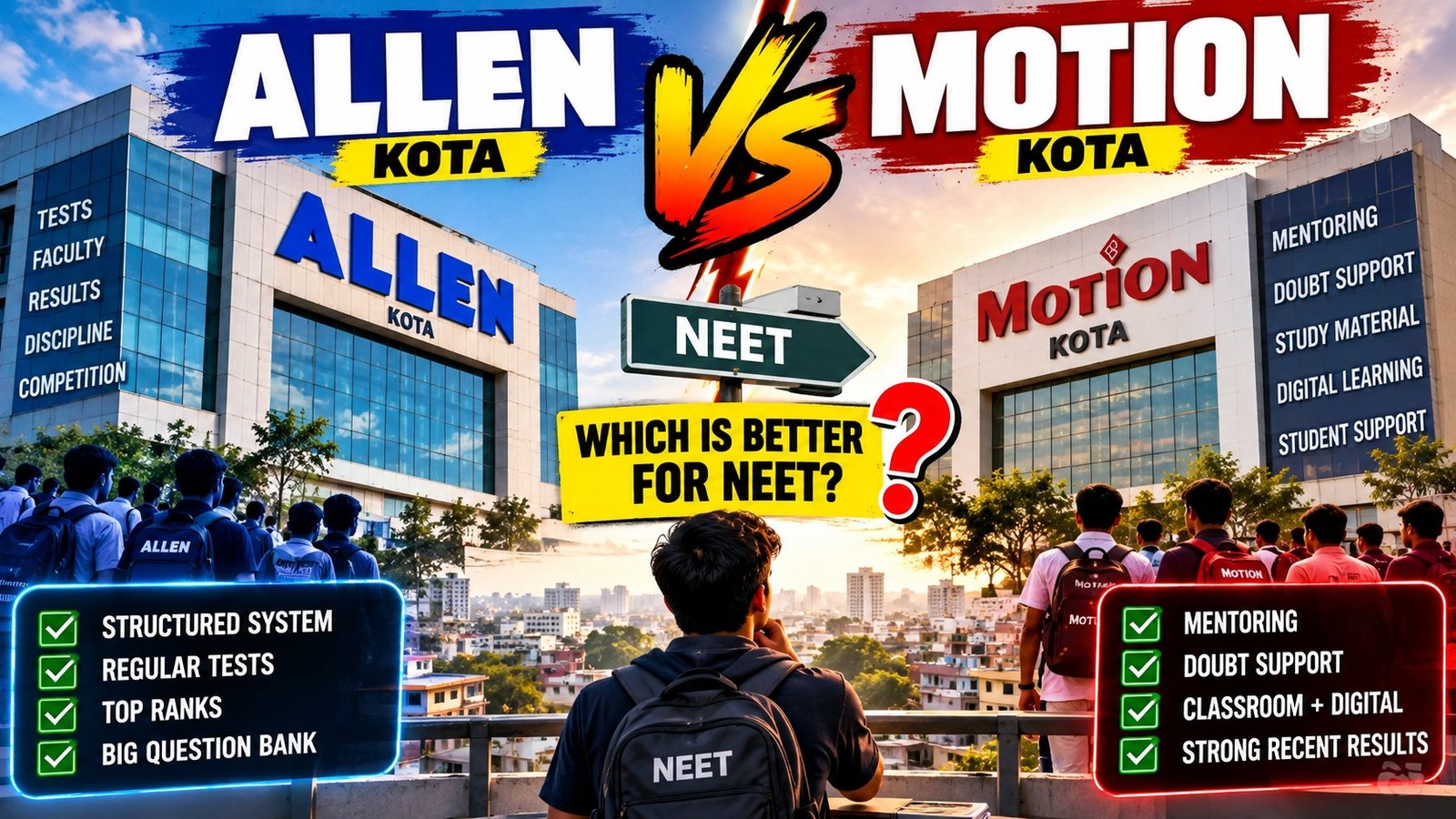
Allen vs Motion Kota for NEET — Student Opinion & Vote
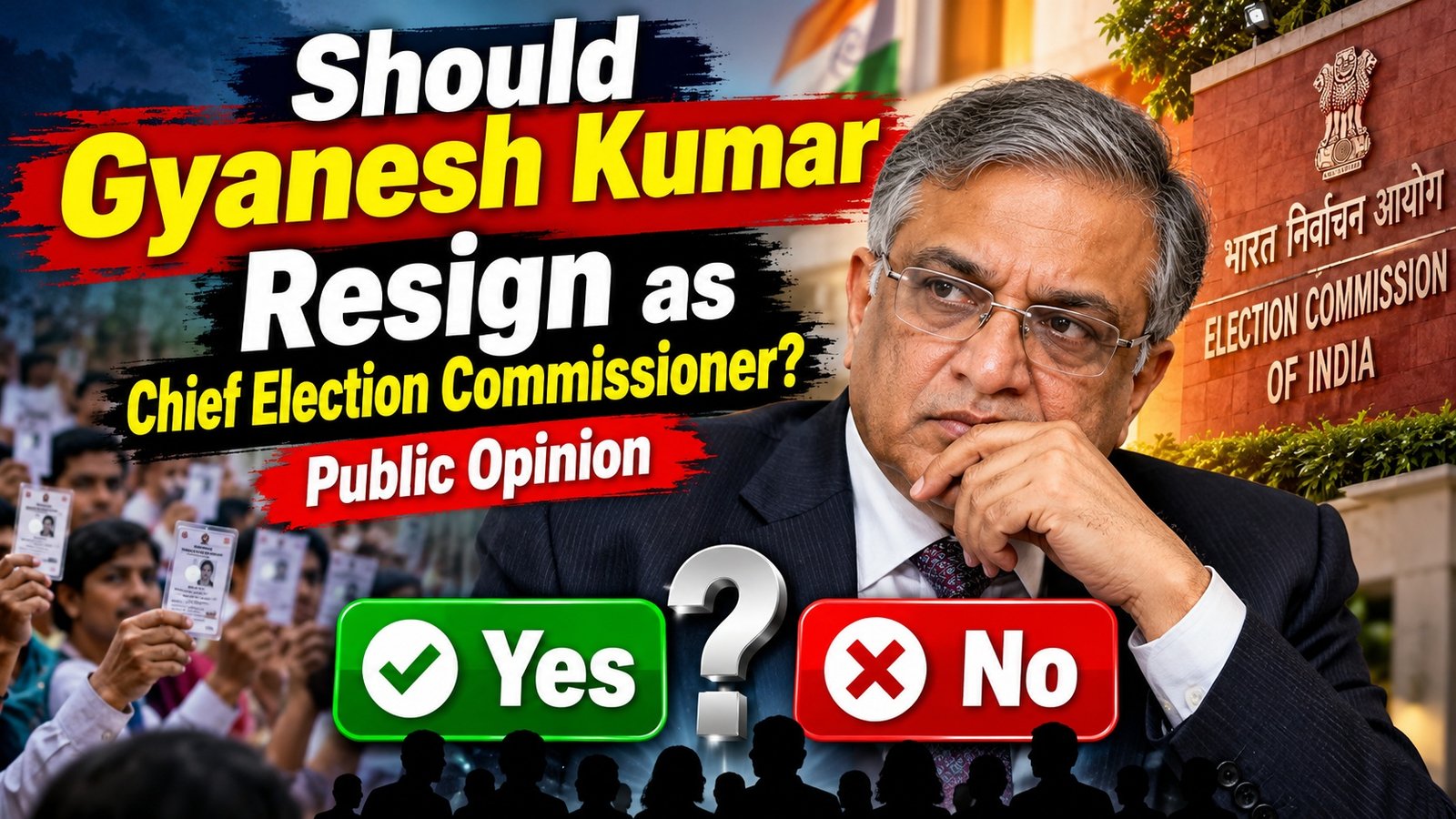
Should Gyanesh Kumar Resign as Chief Election Commissioner | Public Opinion